
Frequently Asked Questions
Everything you need to know about cardio workouts for women
What is the best cardio workout for beginners?
Starting with low-impact cardio like brisk walking, stationary cycling, or swimming is ideal for beginners. These activities build aerobic capacity without excessive joint stress. Aim for 20-30 minutes, three times per week, gradually increasing duration and intensity as your fitness improves. Listen to your body and allow adequate rest days between sessions.
How often should women do cardio exercises?
Most health guidelines recommend 150 minutes of moderate-intensity cardio per week, spread across at least three days. This could be five 30-minute sessions or three 50-minute sessions. You can also combine moderate and high-intensity work. Always include at least one rest day between intense sessions to allow proper recovery and prevent burnout.
Can cardio help with weight management?
Yes, regular cardio is an important component of weight management when combined with balanced nutrition. Cardio burns calories, improves metabolism, and supports heart health. For sustainable results, combine cardio with strength training and mindful eating habits. Different intensities burn different amounts of energy—high-intensity interval training can be particularly efficient for time-limited routines.
What are the benefits of HIIT for women?
High-intensity interval training (HIIT) offers time-efficient workouts, boosting cardiovascular fitness and calorie expenditure. It can be adapted to any fitness level and requires minimal equipment. HIIT improves metabolic flexibility and can be particularly motivating due to its shorter duration. Always warm up properly before HIIT, and ensure you have adequate recovery between intense sessions to prevent overtraining.
How do I choose the right cardio equipment?
Choose equipment based on your preferences, fitness level, and any joint concerns. Treadmills work well for runners, while ellipticals offer low-impact options. Rowing machines engage multiple muscle groups, and stationary bikes are gentle on knees and hips. Try different machines to see what feels natural and sustainable for you. The best equipment is one you'll actually use consistently.
Should I do cardio before or after strength training?
The timing depends on your goals. If strength building is your priority, do it before cardio when you're fresh and can lift with proper form. If cardio is your focus, reverse the order. Many athletes do a light warm-up cardio first, then strength work, followed by easier cardio. Experiment to find what works best for your recovery and performance, ensuring adequate breaks between intense efforts.
What should I eat before a cardio session?
Eat a light snack 30-60 minutes before cardio containing carbs and some protein. Good options include a banana with almond butter, oatmeal with berries, or a yogurt parfait. Avoid heavy, fatty meals that can cause discomfort during exercise. Stay hydrated by drinking water before and during your session. After cardio, refuel within 30-60 minutes with balanced nutrition to support recovery.
How can I prevent injuries during cardio workouts?
Always begin with a 5-10 minute warm-up to prepare your muscles and joints. Use proper form and invest in appropriate footwear designed for your activity. Gradually increase intensity and duration to avoid overuse injuries. Include flexibility work and foam rolling in your routine. Pay attention to pain signals—soreness is normal, but sharp pain indicates you should rest or modify your approach.
Is outdoor cardio better than indoor workouts?
Both have unique benefits. Outdoor activities like running or cycling engage stabilizer muscles, provide variable terrain, and offer mental health benefits from nature exposure. Indoor workouts offer controlled environments, weather independence, and convenient access. The best choice is whichever you'll do consistently. Many athletes enjoy combining both approaches—outdoor for variety and motivation, indoor for convenience and controlled training.
How do I track my cardio progress?
Monitor metrics like duration, distance, speed, and heart rate using fitness trackers or smartphone apps. Track how you feel—increased energy, better sleep, and improved mood indicate progress beyond numbers. Periodically test your fitness with timed challenges or resting heart rate measurements. Keep a workout journal noting intensity, conditions, and how your body responded to identify patterns and celebrate improvements over time.
What role does recovery play in cardio training?
Recovery is when your body adapts and becomes stronger. Include rest days between intense sessions, ensure adequate sleep (7-9 hours), and manage stress through relaxation techniques. Active recovery like gentle walking or yoga promotes blood flow without additional stress. Proper nutrition and hydration support tissue repair. Overtraining without recovery leads to fatigue and plateaus, so balance hard workouts with intentional rest and self-care practices.
Can I do cardio if I have joint concerns?
Absolutely. Low-impact options like swimming, cycling, ellipticals, and water aerobics protect joints while building cardiovascular fitness. These activities support your body weight, reducing stress on knees and hips. Start gradually and pay attention to how your joints respond. Consider working with a fitness professional who can modify movements to suit your needs. Many people with joint concerns enjoy fulfilling cardio routines when they choose appropriate activities.
The information on this site is for educational purposes only and does not constitute medical advice. Always consult a qualified healthcare professional before making health decisions.
Get More Fitness Content
Subscribe to our newsletter for the latest cardio tips and workout guidance
Explore More Articles
Discover comprehensive guides and tips for women's fitness
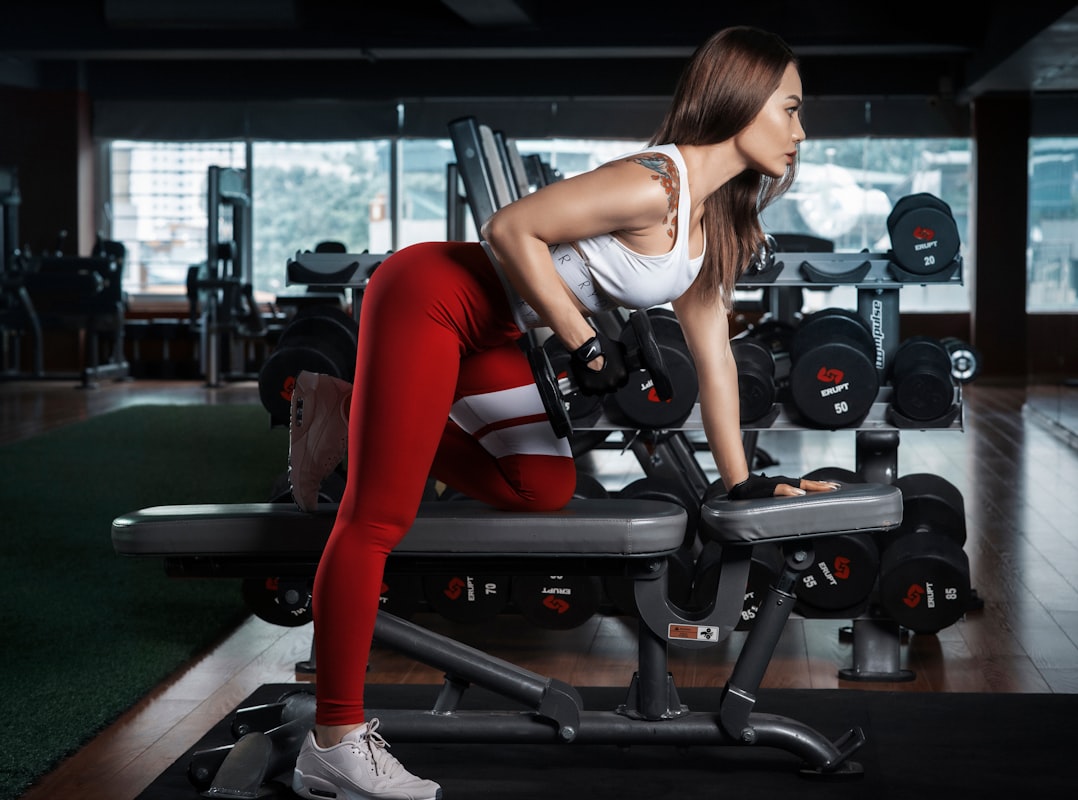
Complete Cardio Equipment Guide
Learn about different cardio machines and which ones suit your fitness level and goals best.
Read more →
High-Intensity Interval Training for Women
Master HIIT techniques to maximize your workouts in minimal time while building cardiovascular strength.
Read more →
Nutrition Tips for Cardio Performance
Discover how proper pre- and post-workout nutrition enhances your cardio training effectiveness and recovery.
Read more →Didn't Find Your Answer?
Our editorial team is here to help. Send us your questions and feedback about cardio workouts for women.Contact Our Team